Slices
Prepare
What significant faith occasions stand out in your memory? Are they one-offs, annual events or more regular? Why are they important to you?
Bible passage
The appointed festivals
23 The Lord said to Moses, 2 ‘Speak to the Israelites and say to them: “These are my appointed festivals, the appointed festivals of the Lord, which you are to proclaim as sacred assemblies.
The Sabbath
3 ‘“There are six days when you may work, but the seventh day is a day of sabbath rest, a day of sacred assembly. You are not to do any work; wherever you live, it is a sabbath to the Lord.
The Passover and Unleavened Bread
4 ‘“These are the Lord’s appointed festivals, the sacred assemblies you are to proclaim at their appointed times: 5 the Lord’s Passover begins at twilight on the fourteenth day of the first month. 6 On the fifteenth day of that month the Lord’s Festival of Unleavened Bread begins; for seven days you must eat bread made without yeast. 7 On the first day hold a sacred assembly and do not do any of your ordinary work. 8 For seven days present a food offering to the Lord. And on the seventh day hold a sacred assembly and do not do any of your ordinary work.”’
Offering the Firstfruits
9 The Lord said to Moses, 10 ‘Speak to the Israelites and say to them: “When you enter the land I am going to give you and you reap its harvest, bring to the priest a sheaf of the first grain you harvest. 11 He is to wave the sheaf before the Lord so it will be accepted on your behalf; the priest is to wave it on the day after the Sabbath. 12 On the day you wave the sheaf, you must sacrifice as a burnt offering to the Lord a lamb a year old without defect, 13 together with its grain offering of one fifth of an ephah of the finest flour mixed with olive oil – a food offering presented to the Lord, a pleasing aroma – and its drink offering of a quarter of a hin of wine. 14 You must not eat any bread, or roasted or new grain, until the very day you bring this offering to your God. This is to be a lasting ordinance for the generations to come, wherever you live.
The Festival of Weeks
15 ‘“From the day after the Sabbath, the day you brought the sheaf of the wave offering, count seven full weeks. 16 Count fifty days up to the day after the seventh Sabbath, and then present an offering of new grain to the Lord. 17 From wherever you live, bring two loaves made of one fifth of an ephah of the finest flour, baked with yeast, as a wave offering of firstfruits to the Lord. 18 Present with this bread seven male lambs, each a year old and without defect, one young bull and two rams. They will be a burnt offering to the Lord, together with their grain offerings and drink offerings – a food offering, an aroma pleasing to the Lord. 19 Then sacrifice one male goat for a sin offering and two lambs, each a year old, for a fellowship offering. 20 The priest is to wave the two lambs before the Lord as a wave offering, together with the bread of the firstfruits. They are a sacred offering to the Lord for the priest. 21 On that same day you are to proclaim a sacred assembly and not do any ordinary work. This is to be a lasting ordinance for the generations to come, wherever you live.
22 ‘“When you reap the harvest of your land, do not reap to the very edges of your field or gather the gleanings of your harvest. Leave them for the poor and for the foreigner residing among you. I am the Lord your God.”’
Explore
In an old Scripture Union primary‑age resource book, a session on the commandments expressed them in positive terms. Exodus 20:8–11 was written in three words – God invented holidays!
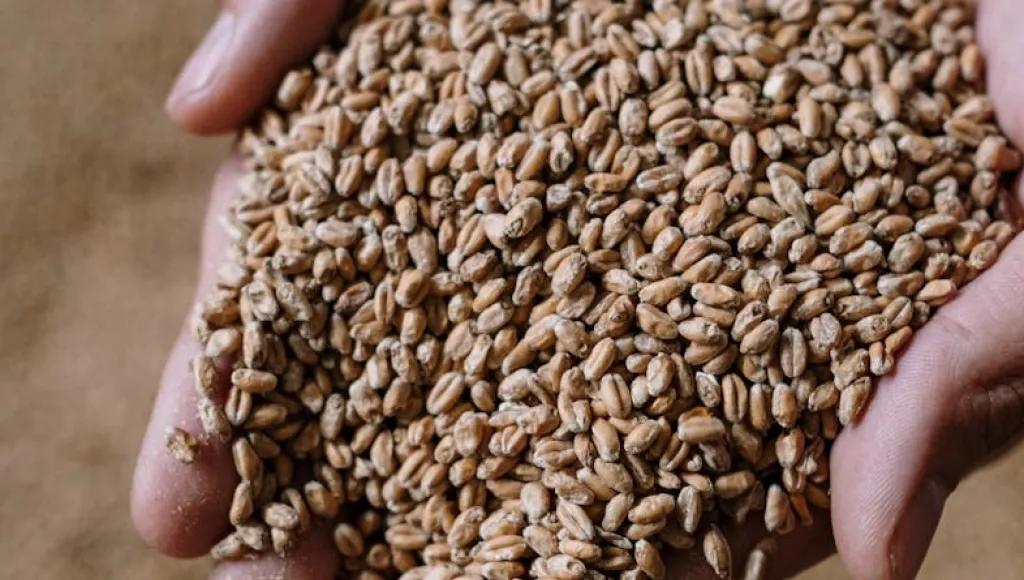
The festivals in today’s and tomorrow’s readings were annual events. The Passover and Festival of Unleavened Bread was a week to remember the events of the Exodus from Egypt, but it also looked forward to the time when, once the people were settled, they would be able to plant their own crops and reap a harvest (v 10).
The Festival of Weeks also looked forward to when they would be able to celebrate the grain harvest and comes with the same reminder not to reap any harvest so carefully that those who needed it could not glean from the leavings. There were similar instructions for grapes and olives; and that the people followed this command is evidenced in the lovely story of Ruth.
To begin with, however, is the Sabbath – one day every week where rest was mandated, and so was gathering together (v 3). The annual events celebrated major occasions; the Sabbath provided regular times to worship and all times of celebration belonged to God.
Respond
If Sunday is a busy day, when is your Sabbath? Give thanks for those who contribute to us being able to gather together in worship. Pray they don’t neglect their Sabbath!
Bible in a year
Read the Bible in a year: Judges 11,12; Psalms 42,43
Pray for Scripture Union
Praise God that he wants every single child and young person to find a really warm welcome in his kingdom, including those with additional needs of all sorts. (Today's prayer relate to this article.)

Equipping the church to reach the next generation
Across England and Wales, increasing numbers of children and young people are asking big questions about life, faith and meaning. Many are more open than we might assume – curious, thoughtful, and ready for conversations about Jesus, even when church isn’t part of their everyday world. For churches who have a heart for the next generation, this presents a real and hopeful opportunity.
Many leaders carry a deep desire to help the next generation encounter Jesus, but with full diaries and many responsibilities, knowing how to respond – or where to begin – can feel uncertain. That’s why we’ve created the It’s Time to Act guide.
It’s a simple, encouraging resource designed to help churches take thoughtful, realistic steps towards revealing Jesus to the next generation. Rather than offering big programmes or quick fixes, the guide focuses on what’s possible now – small, achievable actions that can grow over time. Inside, you’ll find practical ideas shaped by real church life that work alongside busy schedules and varied contexts. So, whether your church is just beginning to explore this opportunity, or already taking steps, the guide aims to meet you where you are and help you discern what comes next.
Our hope is that It’s Time to Act feels less like another initiative, and more like an invitation – to notice where God is already at work, and to take a next step, one step at a time.
If you’d like to explore the guide and see whether it could support your church, you can order a copy here.