Slices
Prepare
Have you ever come across salt that has lost its saltiness? Have you imagined that it could be your story too? What might it mean in your life?
Bible passage
Whoever is not against us is for us
38 ‘Teacher,’ said John, ‘we saw someone driving out demons in your name and we told him to stop, because he was not one of us.’
39 ‘Do not stop him,’ Jesus said. ‘For no one who does a miracle in my name can in the next moment say anything bad about me, 40 for whoever is not against us is for us. 41 Truly I tell you, anyone who gives you a cup of water in my name because you belong to the Messiah will certainly not lose their reward.
Causing to stumble
42 ‘If anyone causes one of these little ones – those who believe in me – to stumble, it would be better for them if a large millstone were hung round their neck and they were thrown into the sea. 43 If your hand causes you to stumble, cut it off. It is better for you to enter life maimed than with two hands to go into hell, where the fire never goes out. 45 And if your foot causes you to stumble, cut it off. It is better for you to enter life crippled than to have two feet and be thrown into hell. 47 And if your eye causes you to stumble, pluck it out. It is better for you to enter the kingdom of God with one eye than to have two eyes and be thrown into hell, 48 where
‘“the worms that eat them do not die,
and the fire is not quenched.”
49 Everyone will be salted with fire.
50 ‘Salt is good, but if it loses its saltiness, how can you make it salty again? Have salt among yourselves, and be at peace with each other.’
Explore
When the disciples tried to stop someone from doing miracles in the name of Jesus, he told them that those who are not against us are for us (v 40) and warned everyone not to be stumbling blocks in the way of others (v 42). What have been some of the stumbling blocks you have experienced or you see being put in the way of people following Jesus today?
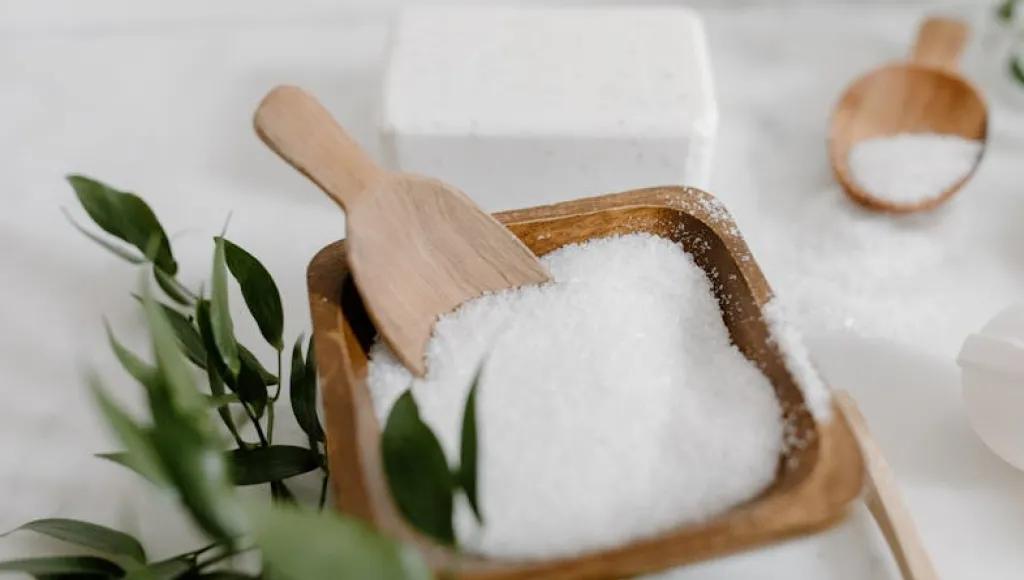
When the Gospel of Mark was written, salt was a valuable commodity, much more than something that gave food its flavour. It was used as a preservative; important when there were no refrigerators. It acted as a disinfectant too, as it still does today. It was offered as part of some sacrifices and it symbolised a covenant. Imagine if salt lost its properties to do all of these things. That could be very challenging! It helps us see why Jesus used this analogy to warn his disciples not to lose their saltiness – a distinct possibility.
Jesus urges them to always have salt among themselves. The sign of having salt within us is living at peace with each other (v 50).
Respond
Pray: ‘Help me, O Lord, never to lose my saltiness and always to live in peace with others.’
Bible in a year
Read the Bible in a year: Isaiah 25,26; Psalm 104
Pray for Scripture Union
The South team has seen big changes this year. Please pray for growing relationships of trust with the Faith Guides and Mission Partners in the region. Pray for favour and open doors for all team members as they forge key strategic partnerships and for bold, God-shaped plans to flourish.