Slices
Prepare
If you’re reading this, you’re probably in the habit of purposefully spending time with God every day, or most days. Does your practice ever vary or is it always the same?
Bible passage
The grain offering
2 ‘“When anyone brings a grain offering to the Lord, their offering is to be of the finest flour. They are to pour olive oil on it, put incense on it 2 and take it to Aaron’s sons the priests. The priest shall take a handful of the flour and oil, together with all the incense, and burn this as a memorial portion on the altar, a food offering, an aroma pleasing to the Lord. 3 The rest of the grain offering belongs to Aaron and his sons; it is a most holy part of the food offerings presented to the Lord.
4 ‘“If you bring a grain offering baked in an oven, it is to consist of the finest flour: either thick loaves made without yeast and with olive oil mixed in or thin loaves made without yeast and brushed with olive oil. 5 If your grain offering is prepared on a griddle, it is to be made of the finest flour mixed with oil, and without yeast. 6 Crumble it and pour oil on it; it is a grain offering. 7 If your grain offering is cooked in a pan, it is to be made of the finest flour and some olive oil. 8 Bring the grain offering made of these things to the Lord; present it to the priest, who shall take it to the altar. 9 He shall take out the memorial portion from the grain offering and burn it on the altar as a food offering, an aroma pleasing to the Lord. 10 The rest of the grain offering belongs to Aaron and his sons; it is a most holy part of the food offerings presented to the Lord.
11 ‘“Every grain offering you bring to the Lord must be made without yeast, for you are not to burn any yeast or honey in a food offering presented to the Lord. 12 You may bring them to the Lord as an offering of the firstfruits, but they are not to be offered on the altar as a pleasing aroma. 13 Season all your grain offerings with salt. Do not leave the salt of the covenant of your God out of your grain offerings; add salt to all your offerings.
14 ‘“If you bring a grain offering of firstfruits to the Lord, offer crushed heads of new grain roasted in the fire. 15 Put oil and incense on it; it is a grain offering. 16 The priest shall burn the memorial portion of the crushed grain and the oil, together with all the incense, as a food offering presented to the Lord.
Explore
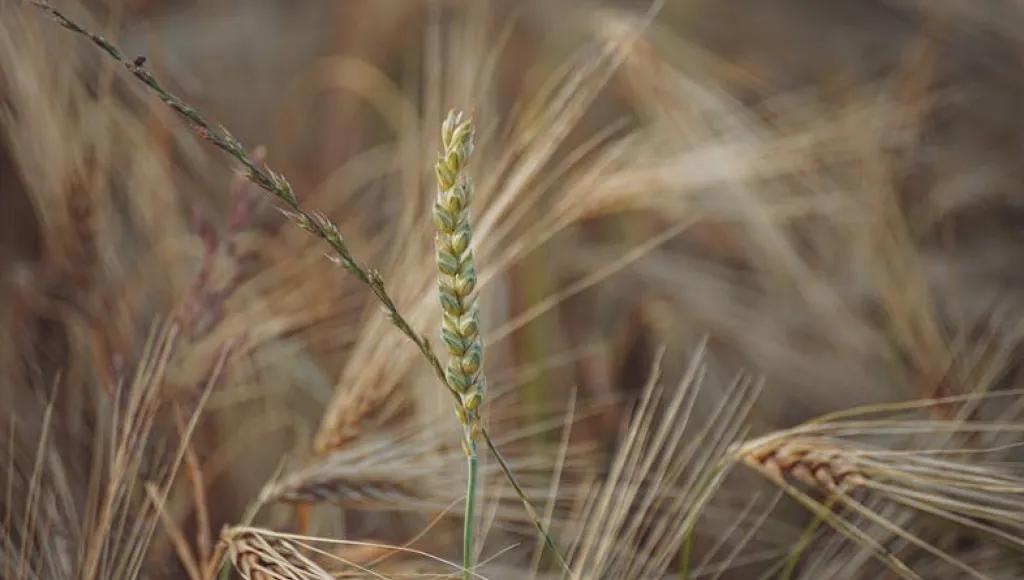
A grain offering, of fine flour or bread made with flour and olive oil, but no yeast, was a much more everyday type of offering. If the offering of a whole animal is seen as an occasional, very significant grand gesture that someone might make, then the grain offering seems more doable. Every family made and ate bread, every day except the Sabbath, so to offer flour or bread to the Lord is perhaps a bit like saying, ‘Here I am today.’
Some people, in fact, may never have been able to afford to offer an animal to the Lord in sacrifice. So knowing that a grain offering is just as acceptable in God’s sight, and as pleasing to him, is both comforting and encouraging. And the inclusion of salt (v 13) is interesting: ‘the salt of the covenant of your God’ is symbolic of the enduring, faithful relationship and friendship between God and his people.
There’s also the reminder that part of the offering was for the priests’ benefit (vs 3,10). Having been designated by God as such, provision for them had to come from among the people.
Respond
‘Take my life, and let it be consecrated, Lord, to thee.’* What are you going to do today, or in the next few days? Can you view those things as an offering to the Lord, through which others are provided for?
Bible in a year
Read the Bible in a year: Joshua 16–19; Romans 14
Pray for Scripture Union
Pray for Jane Webber, worker with Mission Partner SCWP in Oswestry, as she runs Prayer Spaces in the primary schools in April. Ask that the presence of God will fill the schools, and that pupils and staff will take the opportunity to pray and engage with each activity.

Equipping the church to reach the next generation
Across England and Wales, increasing numbers of children and young people are asking big questions about life, faith and meaning. Many are more open than we might assume – curious, thoughtful, and ready for conversations about Jesus, even when church isn’t part of their everyday world. For churches who have a heart for the next generation, this presents a real and hopeful opportunity.
Many leaders carry a deep desire to help the next generation encounter Jesus, but with full diaries and many responsibilities, knowing how to respond – or where to begin – can feel uncertain. That’s why we’ve created the It’s Time to Act guide.
It’s a simple, encouraging resource designed to help churches take thoughtful, realistic steps towards revealing Jesus to the next generation. Rather than offering big programmes or quick fixes, the guide focuses on what’s possible now – small, achievable actions that can grow over time. Inside, you’ll find practical ideas shaped by real church life that work alongside busy schedules and varied contexts. So, whether your church is just beginning to explore this opportunity, or already taking steps, the guide aims to meet you where you are and help you discern what comes next.
Our hope is that It’s Time to Act feels less like another initiative, and more like an invitation – to notice where God is already at work, and to take a next step, one step at a time.
If you’d like to explore the guide and see whether it could support your church, you can order a copy here.